

Ceramic window tint has emerged as a premium solution for window treatments, offering a blend of functionality and aesthetics. As a supplier of high - quality ceramic window tint, I've had many inquiries about how this product performs in cold climates. In this blog, I'll delve into the scientific aspects, real - world performance, and benefits of ceramic window tint in frigid environments.
The Science Behind Ceramic Window Tint
Ceramic window tint is made using advanced nanoceramic technology. Unlike traditional window tints that rely on metal or dye, ceramic tints are composed of non - metallic ceramic particles. These particles are tiny, typically in the nanometer range, which allows them to be evenly dispersed within the tint film.
One of the key properties of ceramic materials is their low emissivity. Emissivity refers to the ability of a material to emit infrared radiation. In a cold climate, heat loss is a significant concern. When a building or a vehicle loses heat, most of it is through windows in the form of infrared radiation. A ceramic window tint with low emissivity can reflect much of this radiant heat back into the interior.
For example, let's consider a home in a snowy region. During winter nights, the interior of the house is warm due to heating systems. Windows are often the weakest link in terms of heat retention. Without window tint, heat from inside the house radiates through the glass and out into the cold environment. However, when ceramic window tint is applied, the low - emissivity ceramic particles reflect the infrared heat back into the room, reducing heat loss and helping to maintain a comfortable indoor temperature.
Energy Efficiency in Cold Climates
One of the most significant advantages of ceramic window tint in cold climates is its contribution to energy efficiency. By reducing heat loss through windows, heating systems don't have to work as hard to maintain a constant temperature. This leads to lower energy consumption and, subsequently, reduced heating bills.
According to a study conducted by the Department of Energy, proper window treatments, including high - quality window tints, can reduce a building's heating energy consumption by up to 30%. Ceramic window tint plays a crucial role in achieving this energy savings. In a commercial building in a cold - climate city, for instance, the cost of heating can be a substantial part of the operating expenses. By installing ceramic window tint on the large glass facades, the building manager can expect a noticeable reduction in monthly heating costs.
In the case of vehicles, ceramic window tint also helps in conserving energy. When the interior of a car retains heat better, the heater doesn't need to run at full blast. This not only saves fuel but also reduces wear and tear on the vehicle's heating system.
Protection Against UV Rays All Year Round
Cold climates don't mean less exposure to harmful UV rays. Even on cloudy, cold days, UV rays can penetrate the atmosphere and cause damage to interior materials. Our Blackout Window Film: Ultimate Black Window Tint For Privacy And Style provides excellent UV protection.
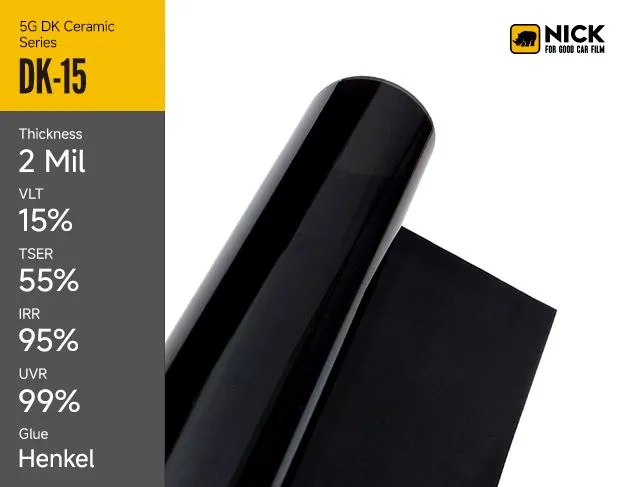
UV rays can fade upholstery, carpets, and other interior finishes in buildings and vehicles. Ceramic window tint blocks up to 99% of UV rays, ensuring that the interior remains in good condition for longer. In a cold - climate area where the sun's angle is lower during winter, the rays can hit the windows at a more direct angle, potentially causing more damage. The UV - blocking property of ceramic window tint is a year - round benefit, regardless of the outside temperature.
Visibility and Comfort
Visibility is crucial, especially in cold climates where visibility through windows can be affected by snow, ice, and fog. Ceramic window tint offers excellent clarity. Unlike some traditional tints that may distort vision or become hazy over time, ceramic tints maintain a clear view both day and night.
The See - Out But Not - In Car Window Tint For Privacy And Clarity provides a perfect balance. It allows the driver to have a clear view of the road while still offering privacy from the outside. In a residential setting, homeowners can enjoy a clear view of the winter landscapes outside while keeping their interiors private.

Moreover, ceramic window tint helps in reducing glare. In cold climates, the sun reflecting off snow can create intense glare, which can be a nuisance and even a safety hazard. The anti - glare property of ceramic window tint enhances visual comfort, whether you're driving or sitting inside a building.
Durability in Cold Conditions
Ceramic window tint is highly durable, even in cold climates. The ceramic particles are resistant to cracking, peeling, and fading, which are common issues in traditional tints exposed to extreme cold. The film is designed to withstand temperature fluctuations, from freezing cold winters to hot summers.
In areas where snow and ice build up on windows, the tint remains intact. It doesn't get damaged by the expansion and contraction of the glass due to temperature changes. This durability ensures a long - lasting investment for both residential and commercial customers. Our Privacy Car Window Film And Tint: Enhanced Comfort And Security is built to withstand the rigors of cold - climate conditions, providing long - term performance and value.
Conclusion and Call to Action
In conclusion, ceramic window tint offers a multitude of benefits in cold climates. It enhances energy efficiency, provides year - round UV protection, improves visibility and comfort, and is highly durable. Whether you're a homeowner looking to reduce heating costs, a commercial building manager aiming to optimize energy consumption, or a vehicle owner seeking comfort and protection, ceramic window tint is an excellent choice.
If you're interested in learning more about our ceramic window tint products or would like to discuss your specific needs, please feel free to contact us. We're here to provide you with the best solutions for your window tinting requirements. Our team of experts can guide you through the selection process and ensure a seamless installation.
References
- Department of Energy. (Year). Energy - efficient window treatments report.
- Various research studies on the properties of ceramic materials in window applications.