

As a supplier of NICK Car Wrapping PPF, I am frequently asked about how NICK Car Wrapping PPF stacks up against vinyl wraps. Both products are popular choices in the automotive customization and protection market, but they have distinct characteristics that set them apart. In this blog post, I'll delve into a detailed comparison of NICK Car Wrapping PPF and vinyl wraps, exploring their features, advantages, and limitations to help you make an informed decision.
Material Composition and Structure
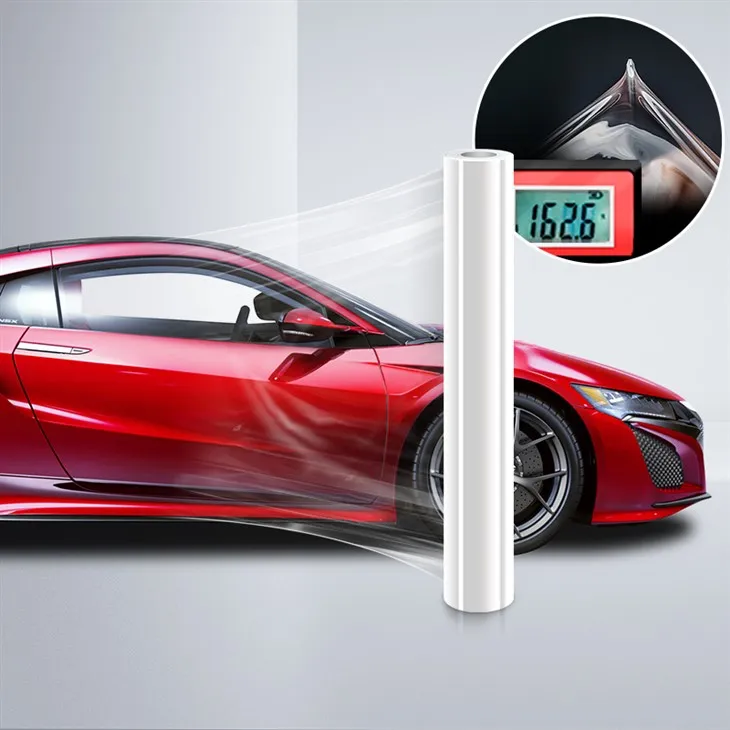
NICK Car Wrapping PPF, specifically the NICK TPU PPF Film, is primarily made of thermoplastic polyurethane (TPU). TPU is a highly durable and flexible material that offers excellent resistance to abrasions, chemicals, and UV rays. The structure of NICK PPF typically consists of multiple layers, including a topcoat that provides self - healing properties. When minor scratches occur on the surface, the topcoat can repair itself under the influence of heat, such as sunlight or warm water.
On the other hand, vinyl wraps are made from polyvinyl chloride (PVC). PVC is a versatile plastic material that can be easily printed on and comes in a wide range of colors and finishes. Vinyl wraps usually have a single - layer or multi - layer structure, with a protective topcoat in some cases. However, the self - healing property is not as common or effective as that of NICK Car Wrapping PPF.
Protection Capabilities
One of the most significant differences between NICK Car Wrapping PPF and vinyl wraps lies in their protection capabilities. NICK Car Wrapping PPF is designed to be a heavy - duty protective layer for your vehicle. It can effectively shield the car's paint from various types of damage, such as stone chips, road debris, bug splatters, and bird droppings. The self - healing topcoat ensures that minor scratches and swirl marks disappear over time, keeping the car looking new.
Vinyl wraps, while they can offer some protection, are more focused on aesthetic customization. They can protect the paint from light scratches and UV rays to a certain extent. However, they are not as effective as NICK PPF in preventing deep scratches and chips caused by high - impact objects. For example, if you frequently drive on gravel roads or in areas with a lot of flying debris, NICK Car Wrapping PPF would be a better choice to safeguard your vehicle's paint.
Aesthetic Options
When it comes to aesthetics, vinyl wraps have a clear advantage. Vinyl can be printed with almost any design, pattern, or color, allowing for endless customization possibilities. You can choose from a variety of finishes, including matte, gloss, satin, and even chrome. Whether you want to give your car a unique racing stripe, a full - color graphic, or a custom color change, vinyl wraps can bring your vision to life.
NICK Car Wrapping PPF, on the other hand, is mainly available in clear or nearly clear finishes. Its primary purpose is to protect the original paint of the vehicle while maintaining its natural appearance. However, some NICK PPF products, such as NICK PPF Interior Trim, can be used for interior customization, adding a touch of protection and style to the car's interior.
Installation Process
The installation process for both NICK Car Wrapping PPF and vinyl wraps requires a certain level of skill and experience. However, there are some differences. NICK Car Wrapping PPF is generally more challenging to install due to its thickness and self - healing properties. The installer needs to be careful not to create air bubbles or wrinkles during the installation, as these can be difficult to remove. Additionally, the heat - activated self - healing topcoat requires proper handling to ensure its effectiveness.
Vinyl wraps are relatively easier to install in some aspects. They are thinner and more flexible, making them easier to conform to the curves and contours of the vehicle. However, achieving a seamless and professional - looking installation still requires precision and attention to detail.
Durability and Longevity
NICK Car Wrapping PPF is known for its long - term durability. With proper installation and maintenance, it can last up to 5 - 10 years. The TPU material is resistant to yellowing, cracking, and peeling, ensuring that the protection and appearance of the vehicle remain intact over time.
Vinyl wraps typically have a shorter lifespan, usually ranging from 3 - 7 years. Factors such as UV exposure, weather conditions, and the quality of the vinyl can affect its durability. Over time, vinyl wraps may start to fade, peel, or bubble, especially if they are not properly maintained.

Cost
The cost of NICK Car Wrapping PPF and vinyl wraps can vary depending on several factors, such as the size of the vehicle, the quality of the product, and the complexity of the installation. Generally, NICK Car Wrapping PPF is more expensive than vinyl wraps. This is mainly due to the high - quality TPU material and the advanced self - healing technology. However, considering its long - term protection and durability, the investment in NICK Car Wrapping PPF can be worthwhile, especially for high - end or luxury vehicles.
Vinyl wraps are more budget - friendly, making them a popular choice for those who want to customize their vehicles without breaking the bank. They offer a cost - effective way to change the appearance of the car and add a personal touch.
Maintenance
Maintaining NICK Car Wrapping PPF is relatively straightforward. Regular washing with a mild car shampoo and a soft microfiber cloth is usually sufficient. Avoid using abrasive cleaners or tools that can damage the self - healing topcoat. If minor scratches occur, you can simply apply heat to the area to activate the self - healing process.
Vinyl wraps also require regular cleaning to keep them looking their best. However, they are more sensitive to certain chemicals and cleaning agents. Harsh chemicals can cause the vinyl to fade or lose its adhesion. It's important to use products specifically designed for vinyl wraps and follow the manufacturer's cleaning instructions.
In conclusion, both NICK Car Wrapping PPF and vinyl wraps have their own unique advantages and disadvantages. If you prioritize long - term protection and want to keep your vehicle's original paint in pristine condition, NICK Car Wrapping PPF is the way to go. On the other hand, if you are more interested in aesthetic customization and want to change the look of your car on a budget, vinyl wraps are a great option.
If you are considering either NICK Car Wrapping PPF or vinyl wraps for your vehicle, I encourage you to contact us for more information. We can provide you with detailed product specifications, installation guidance, and competitive pricing. Our team of experts is ready to assist you in making the right choice for your car.
References
- "Automotive Paint Protection Film: A Comprehensive Guide." Auto Detailing World.
- "Vinyl Wraps for Cars: Everything You Need to Know." Car and Driver.